(Image source from: Canva.com)
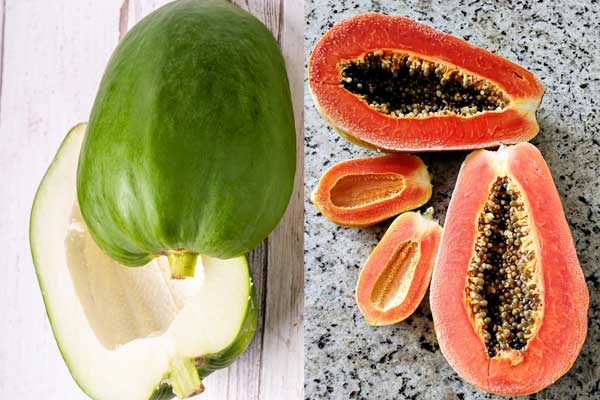
Papaya, whether it is unripe or ripe, provides many health advantages, particularly for managing blood sugar levels. Unripe papaya is still green and firm, requiring specific preparation methods to make it suitable for eating. In contrast, ripe papaya is sweet and has a soft consistency, making it easy to eat once the flesh is removed. Regarding the impact of these two types on blood sugar management, studies published in the Rom J Diabetes Nutr Metab Dis journal indicate that extracts from papaya lower blood sugar levels, which is thought to be due to the presence of vitamin C, fiber, flavonoids, and saponin. The maturity of the fruit influences the extent of the blood sugar rise it may cause after consumption, and there are 101 million adults with diabetes who often feel unsure about which type of papaya is more suitable for their blood sugar levels. To truly understand this, factors like their nutritional details, fiber levels, how easily they aid digestion, and glycemic index are important. Individuals with diabetes often struggle with blood sugar management after eating, which also applies to fruits that naturally contain high levels of sugar. Papaya is one such fruit that necessitates careful thought regarding daily consumption. This highlights the need to be aware of the specific nutritional benefits each papaya type offers to those managing their blood sugar.
When comparing the quantities of papaya, raw papaya contains lower levels of natural sugars and more complex carbs, making it advantageous for those with diabetes. The natural sugar content in ripe papaya is less than that of ripe papaya, making it a more favorable choice for individuals who are prediabetic or have type 1 or type 2 diabetes. However, if you have never tried raw papaya before, it’s important to speak with a nutritionist or dietitian to determine the best way to incorporate it into your diet for blood sugar control. In contrast, ripe papaya has a higher amount of fructose, which can cause a quick rise in blood sugar, so those with diabetes should be mindful of how much they eat. Follow your doctor’s guidance for consuming the fruit and stick to medical advice rather than relying on non-prescription solutions. Regarding fiber, which aids digestion, raw papaya offers more fiber and helps release glucose gradually. On the other hand, ripe papaya helps with digestion but can lead to a rapid increase in sugar after consumption due to its higher natural sugar content.
The glycaemic index refers to the increase in blood sugar that happens after eating certain foods. Raw papaya has a low glycaemic index, particularly when cooked, since it is hard to eat raw. In contrast, ripe papaya has a moderate glycaemic index, which is important for managing diabetes. Although ripe papaya can raise blood sugar levels, it is not harmful for those with diabetes and provides important vitamins and minerals essential for overall health. However, it is important to keep portion sizes in check; it is best to eat it in small amounts and combine it with protein or fat to enhance its health benefits. Overripe papaya should be avoided as its sweetness can lead to larger blood sugar increases. Individuals with diabetes should consider consulting a nutrition expert to determine the right portion sizes that complement their medication. It is advisable to consume both types since they both contain natural vitamins and minerals vital for health. Raw papaya is more suitable for frequent consumption, while ripe papaya should be eaten in moderation.
To sum up, raw papaya is preferable for managing blood sugar, while ripe papaya can be enjoyed occasionally with care. The size of portions and how each type is prepared greatly influence blood sugar levels.