(Image source from: ndtv.com)
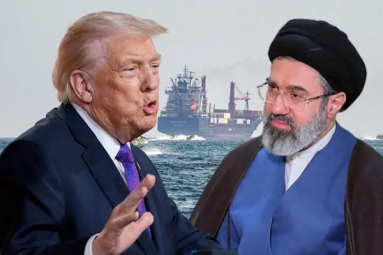
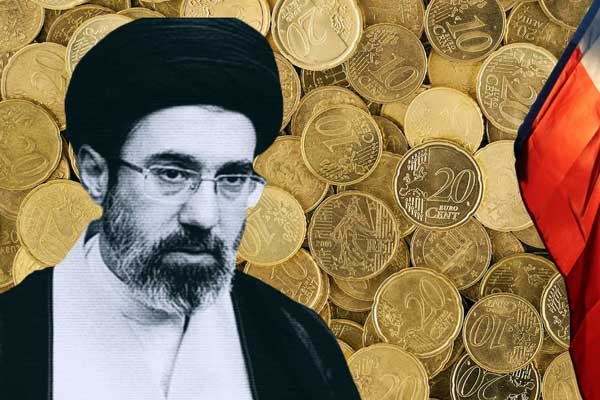
As discussions for a second round of peace talks between the United States and Iran gain traction, one of the main requests from Tehran is once again highlighted – they want access to their frozen funds that are kept in other nations. These financial restrictions have been hurting Iran's economy since 1979, initially started after the Islamic Revolution when American diplomats were taken hostage in Tehran, and later intensified due to Iran's nuclear and missile programs. The US's strict measures have greatly restricted Iran's chance to use its funds, such as money earned from oil sales, which are blocked in banks abroad. Although it is not clear how much of Iran's money is stuck overseas, some Iranian sources estimate it to be more than $100 billion, nearly a quarter of the nation’s total economic output. Nonetheless, experts who study the Middle East suggest that the actual amount might be significantly higher. In an interview with Al Jazeera, Frederic Schneider, a senior fellow at the Middle East Council on Global Affairs, stated that Iran's frozen funds are around three times the country's yearly earnings from hydrocarbon sales. He mentioned, "This is a very significant amount, particularly for a society that has been facing difficulties under decades of sanctions led by the US."
The term "freezing assets" refers to when a government or an international organization temporarily keeps the property, money, or securities of a person, business, or a foreign government's central bank. Courts, other nations, international organizations, or even banks can freeze assets. Reasons for doing this include sanctions, legal decisions, or other regulatory actions that limit the owner's ability to sell these assets and make money from them. Nations assert that they freeze the assets of others due to illegal actions, money laundering, or breaches of worldwide laws. However, critics argue that this approach is frequently applied in a biased manner, particularly by Western countries, to focus on their opponents. Besides Iran, other countries such as Russia, China, North Korea, Venezuela, Libya, and Cuba have also had their assets frozen by Western nations, including the US.
Iran's finances are currently blocked in multiple nations, including the United States, China, Japan, Iraq, and Europe. Although the precise details about how much is blocked and where exactly it is cannot be determined, an Al Jazeera article indicates that Japan has around $1.5 billion of Iranian funds frozen, China has no less than $20 billion, India has $7 billion, and Iraq holds $6 billion. Additionally, the US and European countries, such as Luxembourg, reportedly possess about $2 billion and around $1.6 billion in Iranian assets that are directly frozen, respectively. Furthermore, Qatar has approximately $6 billion in an amount that was transferred from South Korea intended for Iran but was later stopped by the US. On April 10, even before Iran agreed to negotiations for a ceasefire with the US in Pakistan, the speaker of Iran's parliament, Mohammad Bagher Ghalibaf, stated in a message on X that Iranian assets that are frozen in foreign banks must be released prior to any discussions taking place. The next day, when the formal talks in Islamabad began, some sources indicated that the US had agreed to release certain Iranian assets; however, these assertions were quickly rejected by the US government. As the next round of discussions is expected to occur soon, the disagreement regarding this matter is likely to come up again.
Iran's financial situation was already deteriorating because of years of sanctions that hampered its oil trade and its ability to secure investments and modernize technology. Rising inflation and a decline in the value of its currency, the rial, made things even worse, especially when combined with the damage to infrastructure caused by the war. Roxane Farmanfarmaian, who is an expert in international politics focusing on Iran at the University of Cambridge, told Al Jazeera that allowing access to Iran's frozen assets would greatly assist the nation.
"It would allow Iran to bring back its funds that were earned in hard currency through oil sales into its economy. This access would help it gain control over currency changes, preventing the issues with currency value fluctuations that contributed to the protests in December 2025," she explained. "Accessing its frozen money will also kickstart the economic recovery it needs, improving the government's relationship with its citizens and starting the lengthy process of reducing the corruption that often comes with sanctions".