(Image source from: Ndtv.com)
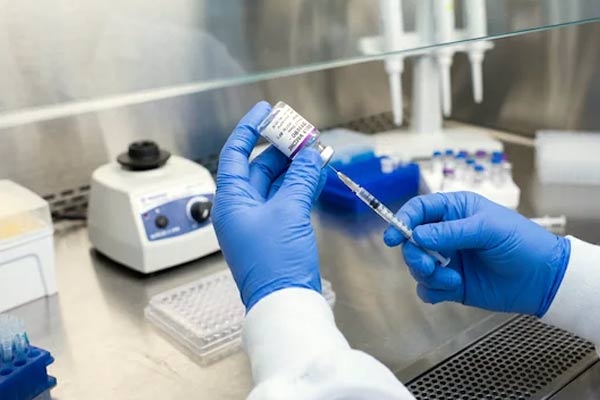
Russia has stated that its researchers have created a vaccine for a new type of Ebola virus strain. This comes during rising global worries about the ongoing Ebola outbreak in Bundibugyo, located in the Democratic Republic of Congo and nearby Uganda. Russian Health Minister Mikhail Murashko mentioned that this vaccine might help protect against the uncommon Bundibugyo strain, which does not currently have a licensed vaccine or specific cure. This news follows the World Health Organization’s (WHO) announcement that labeled the outbreak as a Public Health Emergency of International Concern (PHEIC), due to concerns about it spreading quickly in Central Africa. WHO estimates suggest that the outbreak has led to many confirmed cases and fatalities, with hundreds of suspected infections being looked into. Even though the news of the Russian vaccine has garnered worldwide attention, health experts warn that information from human trials, academic studies, and regulatory assessments will be crucial before it can be deemed safe and effective for use by the public.
The Russian Embassy in South Africa posted about this development on the social media site X, indicating that Russian researchers have successfully designed a vaccine aimed at the new Ebola strain. Health Minister Mikhail Murashko is said to have noted that the vaccine could also help provide protection against the Bundibugyo ebolavirus strain, which is responsible for current outbreaks in Congo. The Bundibugyo strain is one of the lesser-known types of the Ebola virus but is still very dangerous. Reports from WHO and Reuters confirm that there are presently no completely approved vaccines or treatments made specifically for the Bundibugyo ebolavirus, unlike the more frequently encountered Zaire ebolavirus strain. Recently, WHO elevated the national risk level for the DRC outbreak to "very high. " The most recent information indicates that over 80 confirmed cases and several confirmed deaths have occurred, with hundreds of suspected infections being monitored. Ebola virus disease is a serious and often lethal illness caused by infections with orthoebolaviruses. The World Health Organization states that Ebola outbreaks can result in death rates ranging from 25% to as much as 90%, depending on the virus type and the availability of healthcare.
Right now, the only widely accepted Ebola vaccine is Ervebo, which is made specifically for the Zaire ebolavirus. According to the World Health Organization, Ervebo is mainly used during outbreaks through a method called ring vaccination to protect those close to infected people. Other vaccines that have been approved, such as Zabdeno and Mvabea, also target the Zaire ebolavirus but have not been proven effective against Bundibugyo strains. This is why scientists across the world are working quickly to create new vaccines aimed at new Ebola variants. Recently, Reuters reported that vaccine candidates being tested by places like the University of Texas Medical Branch and the Oxford Vaccine Group are focused on Bundibugyo Ebola.
Currently, Russia has not shared detailed information from clinical trials or peer-reviewed studies about its newly announced vaccine. Experts point out that while the development looks hopeful, it is important to have transparency and independent scientific checks. WHO guidelines state that approval for Ebola vaccines usually requires thorough testing for safety, immune response, and effectiveness in real-world outbreaks. Researchers have noted that the development of Ebola vaccines can be sped up during emergencies by collaborating internationally and using emergency authorizations. A review by the US National Library of Medicine suggested that the successful creation of the Ervebo vaccine could inform future vaccine programs during outbreaks. It has also been reported that Russia has offered diagnostic tools and medical help to African countries affected by the outbreak, including Congo and Uganda.
Russia’s announcement about a vaccine for a new Ebola strain comes at a very important time for global public health, especially since the Bundibugyo outbreak is still concerning in Central Africa. While this development may mark a major scientific achievement, international experts emphasize that clear clinical evidence and regulatory reviews are needed before the vaccine can be included in the global fight against Ebola. For now, health officials continue to stress the importance of quick detection, isolation, monitoring, contact tracing, and being prepared for outbreaks as the main ways to limit the spread of Ebola.