(Image source from: Canva.com)
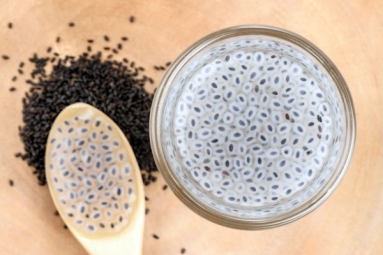
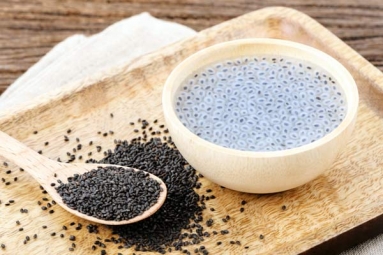
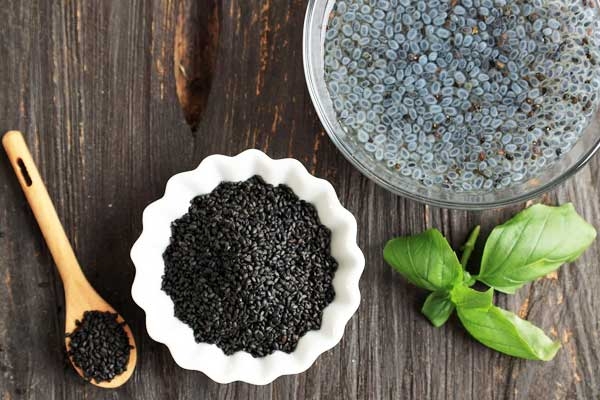
In Indian homes, the small black seeds known as sabja or basil seeds have been used for a long time for their ability to aid digestion. It is thought that these seeds come from the hotter areas of the Indo-Malayan region and are used in cooking and healing practices. Sabja seeds are recognized for their pleasant aroma and are frequently included in many dishes and beverages, especially in Indian cooking. However, aside from their use in cooking, sabja seeds are becoming more popular in health and wellness as a helpful digestive support. As people interested in wellness turn to age-old knowledge supported by contemporary science, a question comes up: Can having a spoonful of basil seeds before meals really improve your gut health? The answer is affirmative, as the most notable aspect of basil seeds occurs when they are soaked in water. In just a few minutes, they form a clear, grayish coating. This outer layer, which expands and retains moisture, is scientifically known as hydrophilic mucilage. A study featured in the Journal of Food Science and Technology indicates that this mucilage provides an abundant source of soluble dietary fiber. When you eat these seeds prior to a heavy meal like dinner, this gel-like substance covers the stomach's lining. Basil seeds slow down the process of breaking food into energy, called metabolism, making sure that your digestive system isn't overloaded by too many calories at once.
Health Advantages of Eating Basil Seeds:
Helping with Digestion: One major advantage of taking basil seeds before dinner is their role as a bulking agent. The fiber in these seeds increases the bulk of waste in your intestines. This prompts the natural wave-like muscle movements that push food through the digestive system, known scientifically as peristalsis. Researchers from the National Institute of Nutrition in India have pointed out that high-fiber diets are important for avoiding hard or infrequent bowel movements, often referred to as constipation. By taking basil seeds before your last meal at night, you give your gut the needed mechanical action to ensure food moves smoothly overnight, leading to improved elimination the next morning.
The Prebiotic Impact: Your gut contains trillions of tiny organisms that help with digestion. These helpful bacteria require certain types of food to stay healthy. This type of "non-digestible food that supports the growth of good bacteria" is called a prebiotic. Research done by the Central Food Technological Research Institute in Mysore indicates that the complex sugars in basil seed mucilage make a great energy source for gut flora. By feeding these bacteria before dinner, you improve the balance of microorganisms in the gut, or gut microbiome, which is essential for avoiding bloating and gas, common issues after a late dinner.
Managing Sugar Spike: In India, dinners usually contain a lot of carbohydrates, which can cause a quick increase in blood sugar after eating, known as postprandial hyperglycemia. Research found in the Indian Journal of Clinical Biochemistry shows that soaked basil seeds, which are thick and sticky, slow down how quickly enzymes convert starch into sugar. By forming a barrier, these seeds help release glucose into the bloodstream gradually, a principle assessed by the Glycaemic Index (GI). Reducing the GI of your dinner using basil seeds aids in weight control and helps prevent late-night energy dips that can interfere with sleep.
Natural Coolant And Acid Buffer: In Ayurveda, basil seeds are valued for their cooling qualities. Biochemically speaking, the seeds work as a buffer, reducing excess stomach acid. This makes them especially helpful for those experiencing heartburn or acid reflux, which is the pain felt in the chest due to stomach acid rising. Consuming them before dinner can help provide protection against discomfort that typically happens when lying down soon after a meal.
How to Incorporate Basil Seeds Into Your Evening Routine:
The Soak: Avoid eating basil seeds dry, as they can be a choking risk. Soak 1–2 teaspoons in a cup of warm water for at least 15–20 minutes until they fully expand.
The Window: Take the mixture around 30 minutes before dinner. This allows the mucilage to grow in the stomach, creating a sense of fullness, which also helps reduce the chance of overeating.
The Pairing: Though water is the best option, you can mix them into a bowl of curd, which contains beneficial bacteria known as probiotics, for added digestive support.
While basil seeds are mostly safe, their high fiber means they soak up a lot of water. To prevent dehydration or constipation, it's crucial to drink more water throughout the day. Also, because they influence blood sugar, people on diabetes medication should speak to their doctor to make sure their blood sugar doesn’t drop too low, a condition known as hypoglycemia.
Research from Indian studies and traditional knowledge indicates that basil seeds are more than just a decoration. By enhancing digestion, acting as a prebiotic, and balancing the glycaemic response, these tiny seeds provide a scientifically supported approach to assist in the intricate process of digestion. For a flatter stomach and feeling lighter in the morning, a routine with basil seeds before dinner might be the easiest health tip you haven’t yet tried.