(Image source from: Economictimes.indiatimes.com)
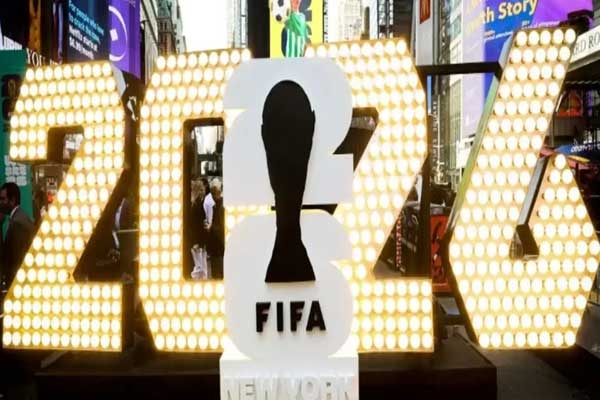
Great news has finally arrived for fans of football in India. After several months of doubt and talks behind closed doors, India is about to officially obtain the rights to broadcast the 2026 FIFA World Cup, with a formal announcement likely coming next week. This agreement, valued at around 30 to 35 million USD, will make sure that the largest World Cup in history is available for viewers throughout India. This news is a big relief for those who follow football in one of the fastest-expanding sports markets in the world. The 2026 tournament will take place in the United States, Canada, and Mexico together. FIFA has increased the number of teams in the tournament from 32 to 48, lifting the total matches from 64 to 104. It is anticipated to be the most financially rewarding and widely watched World Cup ever.
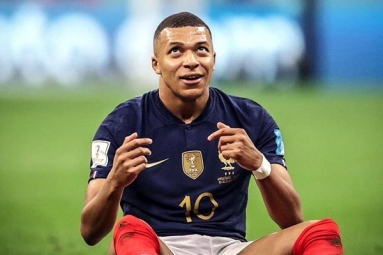
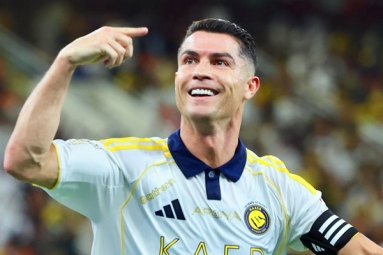
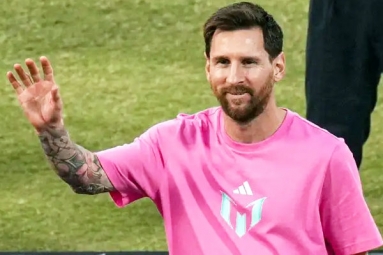
Even though the national team has faced challenges on the global stage, the Indian market is still very important for FIFA. The interest in football in India has surged, fueled by the popularity of European leagues and the huge viewership numbers for the FIFA World Cup. Cities like Kolkata, Kochi, Goa, and Bengaluru are home to enthusiastic football crowds, while younger audiences in metropolitan areas are increasingly interested in international stars and teams.
On a global scale, FIFA seems to have adopted a more adaptable business approach for certain Asian markets. Reports suggest that China managed to obtain its 2026 World Cup rights at nearly an 80 percent reduction compared to earlier years. In Europe, the TV rights for the FIFA World Cup have the highest price tags. Interestingly, this broadcasting deal comes during one of the toughest times for Indian football in recent years. The men's national team has significantly dropped in FIFA rankings following a series of disappointing results. The inability to maintain momentum after qualifying for the AFC Asian Cup has raised troubling questions about how Indian football is structured. Challenges such as basic development, governance issues, and a shortage of competitive depth continue to impact the local football scene. It is also ironic that while the public lacks support for Indian football players, there remains a strong desire for European football. This is the market that FIFA, the Premier League, and La Liga aim to tap into. For the time being, these fans will get a chance to satisfy their desire for international football. All 100 plus FIFA matches will keep them entertained throughout the hot summer.