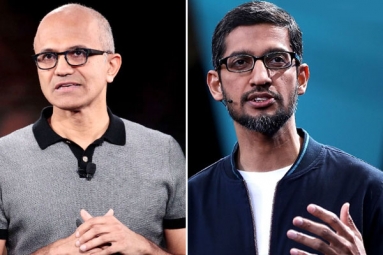
(Image source from: enterpriseai.economictimes.indiatimes.com)
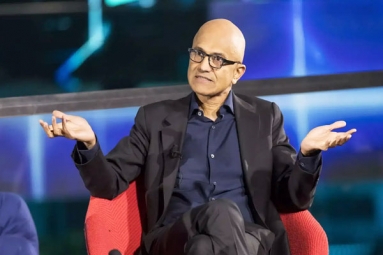
Following a year filled with discussions about fake visuals, poor-quality writing, and the trustworthiness of AI-made content, the dialogue regarding artificial intelligence is starting to evolve. Satya Nadella, the CEO of Microsoft, thinks that the field is at a crucial turning point—where the emphasis should change from how impressive AI appears to how beneficial it truly is. In a recent personal blog series called “sn scratchpad,” Nadella contends that the upcoming stage of AI growth will be characterized not by flashy displays, but by the results achieved. His first post, “Looking Ahead to 2026,” outlines Microsoft's perspective as AI transitions from trial and error to regular use. The timing of Nadella’s comments is noteworthy. Merriam-Webster has just announced “slop” as the word of the year for 2025, reflecting rising dissatisfaction with the abundance of poor-quality AI content overwhelming the web. From widely circulated but clearly fake pictures to deceptive videos and recycled language, the term “AI slop” has come to represent content produced with little concern for accuracy, uniqueness, or usefulness.
Although Nadella recognizes this weariness, he warns that the industry may become trapped in the debate itself.
He believes the real hurdle moving forward is not about whether AI can create content that appears real—but whether it can produce reliable and valuable outcomes in actual situations. Concentrating on sloppy versus sophisticated content, he feels, diverts attention from the more challenging question of effectiveness. Reflecting on the previous year, Nadella describes 2026 as “a critical year for AI,” although he acknowledges that similar statements have been made in the past. This time, he asserts, it feels different. He claims that the industry has passed the phase of exploration and has started widespread implementation. AI tools are no longer just novelties; they are being integrated into processes, products, and systems for making decisions on a large scale. This change, according to Nadella, is leading to a clearer separation between what simply attracts attention and what truly offers value. At the core of Nadella’s vision is an updated and expanded interpretation of Steve Jobs’ well-known comparison of computers to “bicycles for the mind. ” In this context, AI is designed not to replace human intelligence but to enhance it.
Nadella believes that AI should be seen as a support system for human abilities instead of a replacement for human work. He states that the important factor is not the sheer strength of any one model, but how people decide to use these tools to reach their objectives. He thinks that the true challenge in product design is creating AI systems that match how people think, work together, and make choices—while also considering the social and mental shifts these tools bring. Microsoft's approach shows this change in perspective. Although the company is still investing a lot in sophisticated AI models for products such as Copilot, Nadella emphasizes that having just models is insufficient. He claims that the future involves transitioning from separate models to connected systems—AI agents that function across various tools, tasks, and environments, seamlessly integrated into people's workflows. These systems must also take into account wider implications, such as the distribution of limited resources like computing power, energy, and skilled personnel.
For Nadella, this challenge is not merely technical but also social and technical, requiring agreement throughout the industry on the best ways and areas for AI to be used effectively.