(Image source from: Businessworld.in)
The financially troubled Pakistan has been greatly affected by the current conflict in Iran, which has been worsened by serious border fighting and retaliatory strikes from Afghanistan. In light of these ongoing issues, Pakistan is preparing to pay back USD 4.8 billion in foreign debts by June. The nation plans to give USD 3.5 billion to the UAE through three separate methods, according to reports from local news sources. This amount was deposited with the State Bank of Pakistan, which has been receiving about 6 percent interest on it. Geo News has reported, citing its sources, that Pakistan has been promised over USD 5 billion in financial help from two allied nations to assist with its external financing needs. The UAE has requested immediate reimbursement of loans given to Pakistan due to the difficult situation in the Gulf resulting from the US-Israel-Iran conflict.
As per these reports, the repayment plan to the UAE includes payments of USD 450 million on April 11, USD 2 billion on April 17, and another USD 1 billion on April 23. Out of the total, USD 450 million is from a loan taken out in 1996-97, which is being paid back after almost thirty years. Additionally, a USD 1.3 billion Eurobond that is due this week, which was issued for ten years, will also be paid, increasing the pressure for short-term repayments, as reported by the PTI news agency. For this fiscal year, Pakistan aims to extend about USD 12 billion in external deposits, including roughly USD 9 billion from Saudi Arabia and USD 5 billion and USD 4 billion from China respectively. Pakistan relies heavily on energy supplies from the Gulf, and with the Strait of Hormuz blocked, the government has raised fuel prices twice within the month. Reports indicate that Pakistan imports more than 85 percent of its crude oil from Saudi Arabia and the UAE. These supplies are transported through a single maritime route in the Strait of Hormuz.
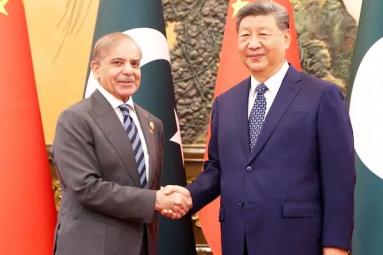
The Pakistani government first sparked public anger by increasing petrol prices by 42.7 percent to 485 rupees per liter, leading to protests and long lines at gas stations. This price hike caused widespread demonstrations, with citizens angry at the government's choice. Prime Minister Shehbaz Sharif later reversed part of the increase, lowering the cost to 378 rupees per liter. However, the diesel price remains unchanged at 520 rupees per liter after a 54.9 percent rise. Pakistan's dollar bonds are on track to experience the largest monthly decline in three years. According to a recent Bloomberg report, Pakistan's stock market has entered bear territory, with the KSE-100 Index dropping over 21 percent from its peak earlier this year in January. Foreign investors have withdrawn USD 383 million from stocks this year, based on data from the National Clearing Company of Pakistan, the report noted.