(Image source from: Canva.com)
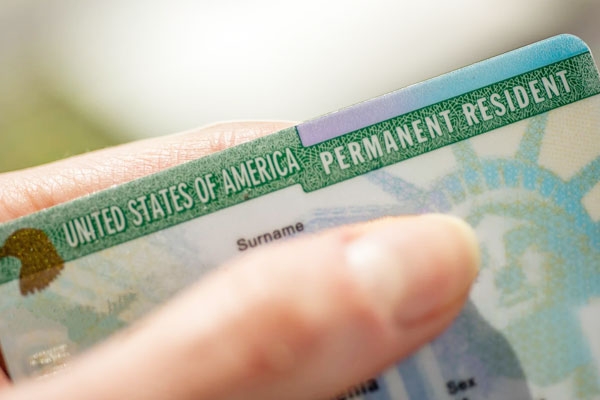
The Permanent Resident Card, often called the Green Card, is a highly sought-after document for those coming to the United States. It guides individuals towards becoming American citizens. While holders of Green Cards don't have all the rights of full American citizens, they still have many similar privileges. One common way to obtain a Green Card is through marriage to a US citizen. However, simply marrying a US citizen does not guarantee a Green Card anymore, according to an immigration lawyer. As per the US Citizenship and Immigration Services, the spouse of a US citizen is classified as an “immediate relative of a US citizen. ” Under US regulations, immediate relatives, which include the husbands and wives of US citizens, can apply for a Green Card. Nevertheless, Brad Bernstein, an immigration lawyer, has warned that just being married no longer ensures a Green Card.
During the current administration of Donald Trump, applications for Green Cards based on marriage are being scrutinized more thoroughly, with officials focusing more on whether the marriage is real and not just a legal arrangement. This is part of increased inspection on the Green Card system, which also saw the Trump administration halt the Diversity Visa Lottery. This lottery provided up to 50,000 visas each year randomly to individuals from countries with lower immigration rates to the United States. Brad Bernstein, who has over three decades of experience and works at the Law Offices of Spar & Bernstein, stated, "Being in a relationship does not guarantee you a Green Card. It is living together that leads to a Green Card. "
Brad Bernstein warned that married couples living apart face a serious risk of having their applications denied. He explained, "If partners do not reside together, then their Green Card case is already headed for trouble. " In a video on Facebook, he pointed out that in marriage-related applications, "immigration officials do not consider the reason for living apart, whether it's due to work, school, finances, or convenience. " Bernstein emphasized that cohabitation is the essential element. He stated that US authorities "only care if you genuinely reside together as husband and wife. " He explained that immigration laws view a true marriage as one where spouses share a living space daily. "Therefore, if you are not sharing a house each day, immigration will start questioning the legitimacy of the marriage. If they begin to doubt it, they will launch an investigation, and when they come to your door, they are looking to deny your request. So, if you wish to obtain a marriage-based Green Card, you must live together. No exceptions," he asserted.
Bernstein mentioned that living separately is one of the fastest ways to attract closer examination, which can include investigations about marriage fraud, challenges during interviews, and outright refusals. "If you are married but not cohabiting all the time, it is important to seek legal advice before you submit any documents," he advised. As stated by Brad Bernstein, US Citizenship and Immigration Services (USCIS) does not just look at where people live. According to their guidelines, officials evaluate the overall nature of the relationship to judge if the marriage was genuine and not just for immigration advantages. The USCIS points out that a marriage can meet legal requirements but can still be rejected if the partners had "no genuine intention to live together as married couple and aimed to bypass immigration laws. "
These changes are happening as the Trump administration attempts to restrict immigration by making critical pathways like the Green Card process more stringent. The US Citizenship and Immigration Services has shortened the length of work permits for Green Card seekers to 18 months. President Donald Trump has also requested a thorough examination of all Green Cards held by permanent residents from 19 nations that were previously labeled as "countries of concern. " This action follows the deaths of two National Guard members in Washington, DC, and a mass shooting at Brown University, both involving immigrants with Green Cards.